Dog waste cleanup is one of those chores every pet owner knows they should take seriously, yet millions of piles get left behind on lawns, sidewalks, and trails every single day. The truth is that responsible dog waste cleanup protects your family’s health, keeps your neighborhood clean, and shields local waterways from pollution. In 2026, more cities are enforcing pick-up ordinances and more owners are rethinking the tools and bags they rely on. This guide explains why it matters and how to build a routine that actually sticks.
If you have ever wondered whether one uncollected pile really makes a difference, the science says yes. A single gram of dog feces can contain millions of bacteria, and the waste from unattended dogs adds up fast across a community.
Why Does Picking Up Dog Waste Matter So Much?
Leaving waste behind is not just unsightly. It carries real consequences for public health and the environment. Dog feces is classified as a pollutant, not a fertilizer, and it behaves very differently from cow manure that farmers spread on fields.
The U.S. Environmental Protection Agency identifies pet waste as a nonpoint source of nutrient and bacterial pollution that runs off into storm drains and streams. Once it reaches the water, it feeds algae blooms and spreads pathogens that make swimming and drinking water unsafe.
- Bacteria and parasites: E. coli, giardia, salmonella, and roundworms can survive in soil for months.
- Water contamination: Rain washes nutrients and germs straight into local waterways.
- Yard damage: The high nitrogen content burns grass and creates yellow dead spots.
- Neighborhood friction: Uncollected waste is one of the top complaints in shared communities.
Health Risks Hiding in Your Backyard
Children and pets are the most vulnerable to the germs in dog waste. Kids play close to the ground and often touch their faces, which makes accidental contact more likely. Dogs sniff and sometimes ingest waste, spreading parasites back through the household.
Cleaning up promptly breaks that cycle. Same-day removal gives bacteria and worm eggs far less time to spread into the soil where they linger. A consistent routine turns a health hazard into a non-issue.
How to Build a Dog Waste Cleanup Routine That Sticks
Good intentions fade without a system. The owners who stay consistent tend to keep the right tools within arm’s reach and follow a simple daily rhythm.
- Do a morning walk-through of the yard before letting kids or other pets out.
- Keep bags at every exit so you never leave home unequipped.
- Use a sturdy scooper for the backyard to avoid bending and touching anything.
- Bag and seal immediately to control odor and germs.
- Deep clean weekly to catch anything missed during the week.
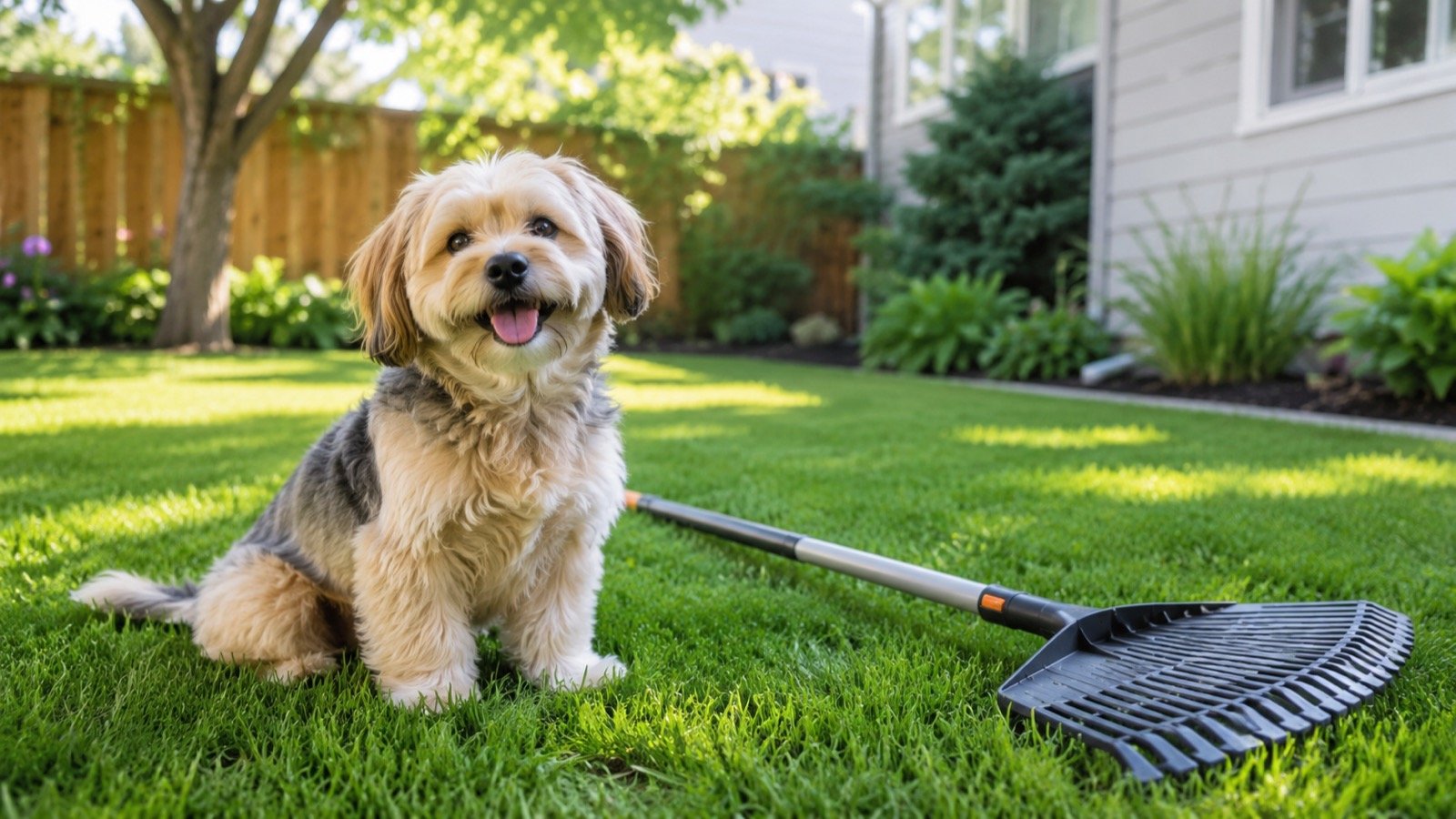
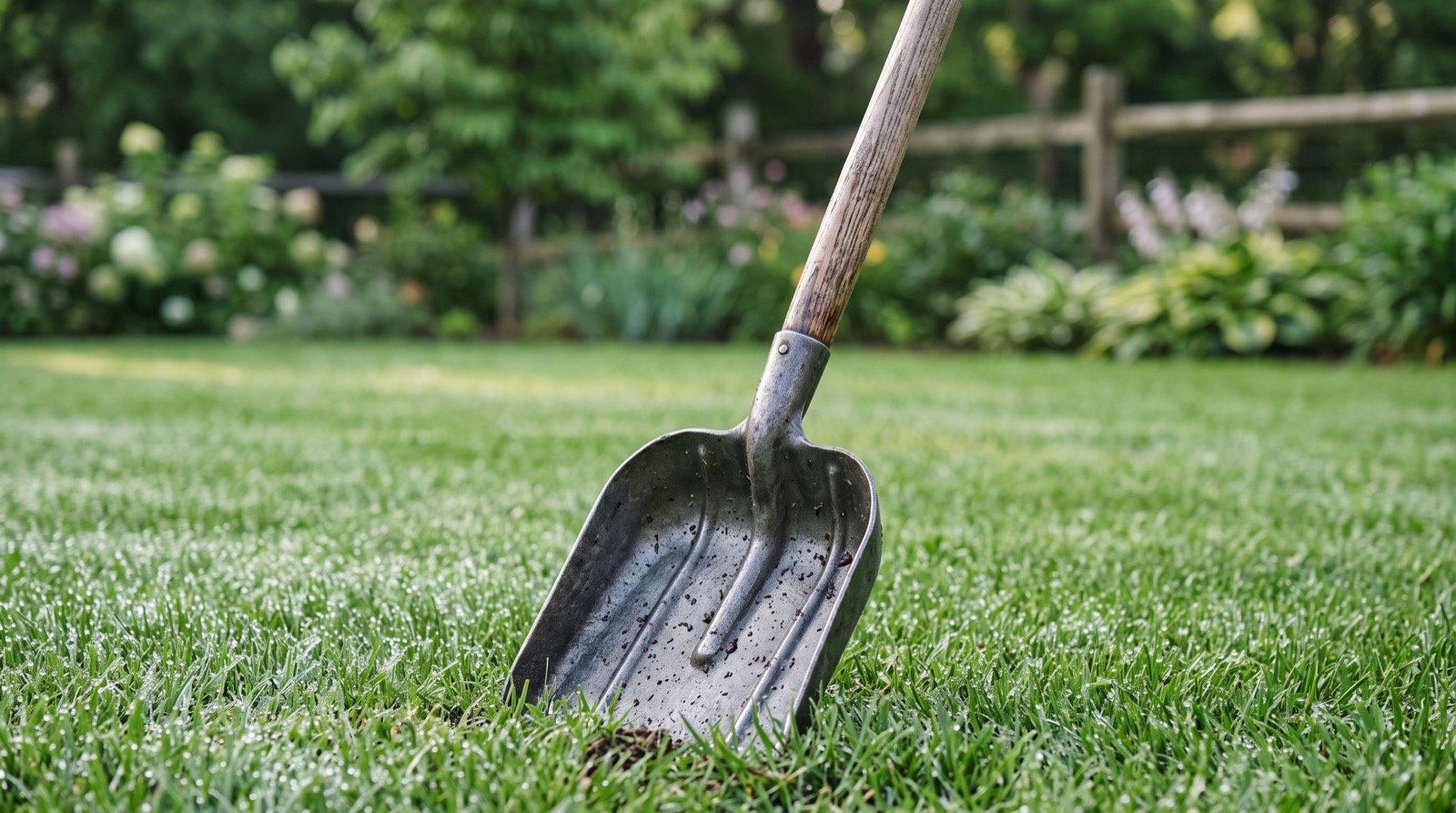
A quality long-handled tool changes the whole experience. Many owners searching for a Pooper scooper near me want something that grips waste on any surface without the mess of a flimsy rake. The right tool removes the excuse to skip a day.
Choosing the Right Gear for the Job
Not every cleanup setup fits every home. Apartment dwellers, suburban yards, and rural properties each have different needs. The table below compares common approaches so you can pick what fits your situation.
| Cleanup Method | Best For | Effort Level | Cleanliness |
|---|---|---|---|
| Standard bags by hand | Walks, apartments | Low | Moderate |
| Long-handled scooper | Backyards, multiple dogs | Very low | High |
| Rake-and-pan combo | Grass and gravel | Medium | Moderate |
| Professional service | Busy owners, big yards | None | High |
Durable equipment pays for itself. Cheap plastic scoopers snap and thin bags tear at the worst moment. Investing in gear from a trusted brand like Gogostik means the tool lasts for years of daily use.
If you would rather hand the chore to someone else, plenty of quality service providers now offer scheduled yard cleaning. Compare local options and reviews before you commit to a plan.
Small Habits That Make a Big Difference
Beyond the daily pick-up, a few extra habits keep your space fresh and your community happier. Rinse hard surfaces occasionally, wash your hands after handling waste, and rotate where your dog goes so no single patch of grass takes all the damage.
Seasonal weather matters too. Snow hides waste in winter, so mark spots and clear them before spring thaw. Summer heat accelerates odor and bacteria, so quicker removal helps. Spring and fall bring rain, which speeds runoff into storm drains, making prompt pick-up even more important during wet months.
The Real Cost of Skipping Cleanup
Ignoring waste carries a price that goes far beyond a bad smell. Damaged lawns cost money to reseed, and repeated exposure to bacteria can lead to vet visits or family illness. Some communities now issue fines for uncollected dog waste in public spaces.
Consider the numbers. A single dog produces hundreds of piles a year, and across a neighborhood that adds up to tons of waste. When even a fraction of it goes uncollected, the bacterial load on shared lawns and parks climbs quickly. Prompt cleanup is the simplest way to keep that number near zero.
- Financial cost: Lawn repair, potential fines, and vet bills.
- Time cost: Big cleanups take far longer than daily pick-ups.
- Social cost: Complaints and tension with neighbors.
- Environmental cost: Polluted water and stressed local ecosystems.
A First-Hand Tip From Experience
After years of daily cleanup across different yards, the single biggest lesson is this: keep your tools and bags exactly where you will trip over them. Convenience beats willpower every time. A scooper leaning by the back door and a bag dispenser clipped to the leash remove every excuse to postpone the job.
The second lesson is to clean while the yard is still fresh in your mind. Doing a quick sweep right after your dog finishes means you never lose track of a pile, and you never let the mess compound into a dreaded weekend project.
Frequently Asked Questions
How often should I clean up dog waste in my yard?
Aim for daily removal, ideally right after your dog goes. Same-day pick-up limits bacterial spread and keeps odor and pests under control far better than weekly cleaning.
Is dog poop actually bad for the environment?
Yes. Unlike compost, dog waste carries harmful pathogens and excess nutrients. When rain washes it into storm drains, it pollutes streams and lakes and fuels harmful algae growth.
Can I compost dog waste at home?
Standard backyard compost does not get hot enough to kill the parasites in dog feces. Bag it and dispose of it in the trash unless you use a dedicated, properly managed pet-waste digester.
What is the easiest way to pick up waste without bending?
A long-handled pooper scooper lets you scoop and drop waste without stooping or touching anything. It is the top pick for owners with back issues or multiple dogs.
Conclusion
Responsible dog waste cleanup is a small daily act with an outsized payoff. It protects children, pets, and neighbors from harmful bacteria while keeping local water clean. With a simple routine and durable tools, the chore takes seconds instead of dread. Stock up on the right scooper and bags today, and turn cleanup from a hassle into a habit you barely notice.